The Recycling Equation: Profound Impacts on Our World

The Recycling Equation: Profound Impacts on Our World

Have you ever taken the time to consider what would happen if we stopped recycling today? Imagine for a moment the potential consequences for our environment, our economy, and our society as a whole.


In this article, we delve into the crucial risks and challenges associated with halting recycling. Take the time to read on to understand the complexity of these challenges and the implications they could have for our future.
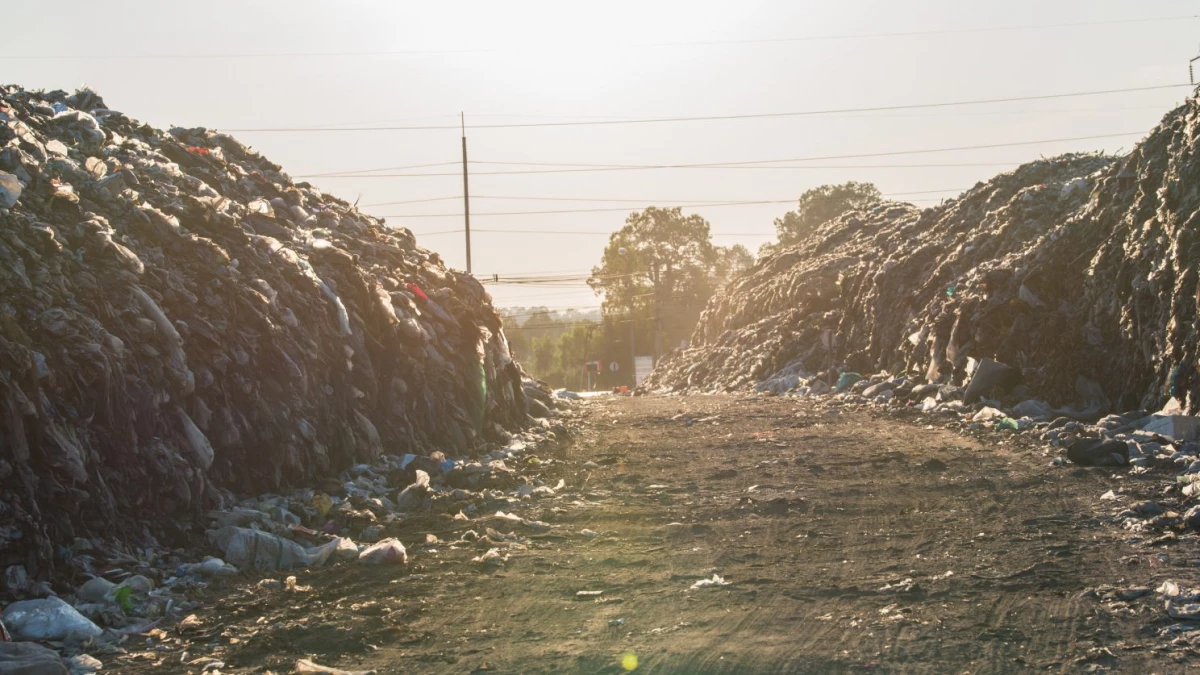
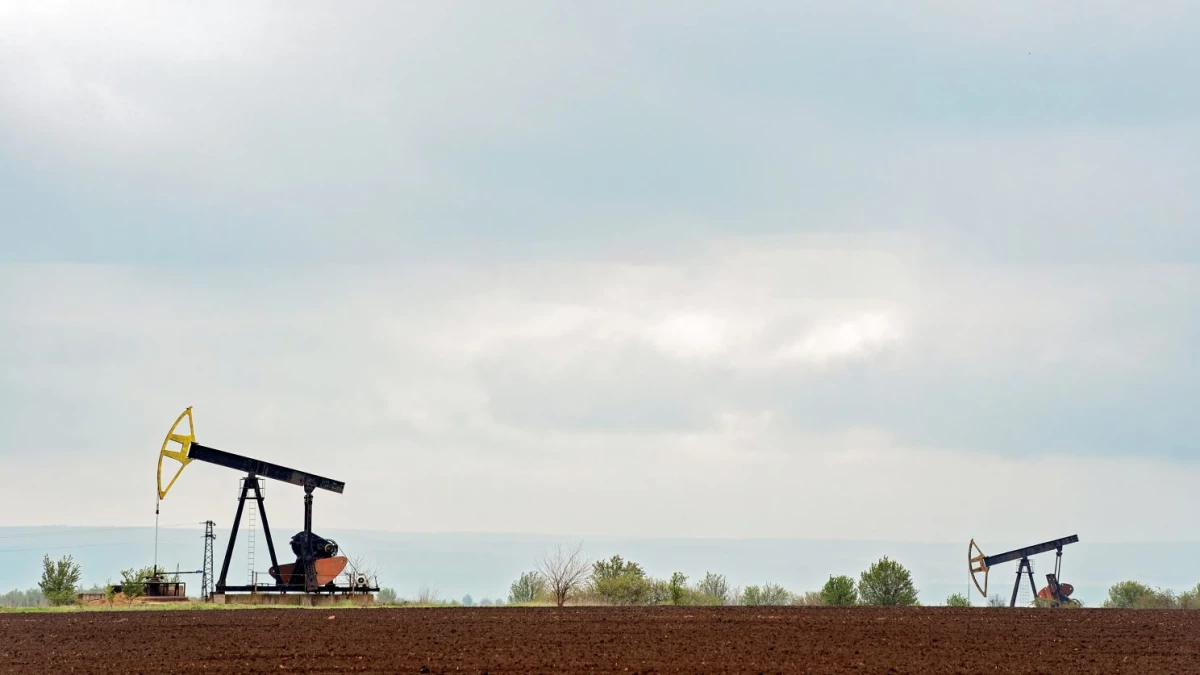
Increased use of landfills:

If recycling were abandoned, an increasing amount of waste would end up buried in landfills, exacerbating landfill capacity problems and associated environmental pollution. Local ecosystems could be affected, soils contaminated, and public health risks increased.

Resource depletion:

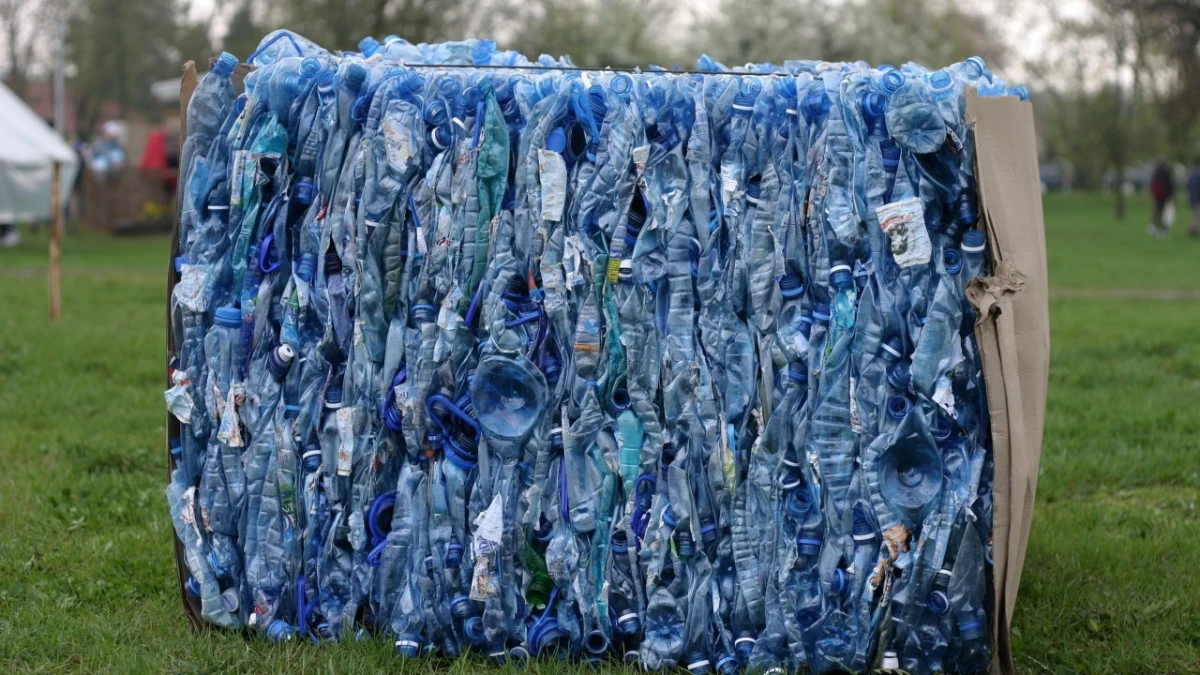
Recycling plays a vital role in preserving precious resources. Without recycling, these resources would be depleted at an accelerated rate, leading to increased extraction activities and more pronounced environmental degradation. Fragile ecosystems would be jeopardized, threatening biodiversity and ecological balance.

Increased energy consumption:

Manufacturing products from recycled materials generally requires less energy than producing raw materials. Without recycling, energy consumption in manufacturing processes would likely increase, contributing to higher carbon emissions and a greater environmental impact. Climate change could accelerate, with devastating consequences for ecosystems, natural resources, and vulnerable communities.

Pollution :

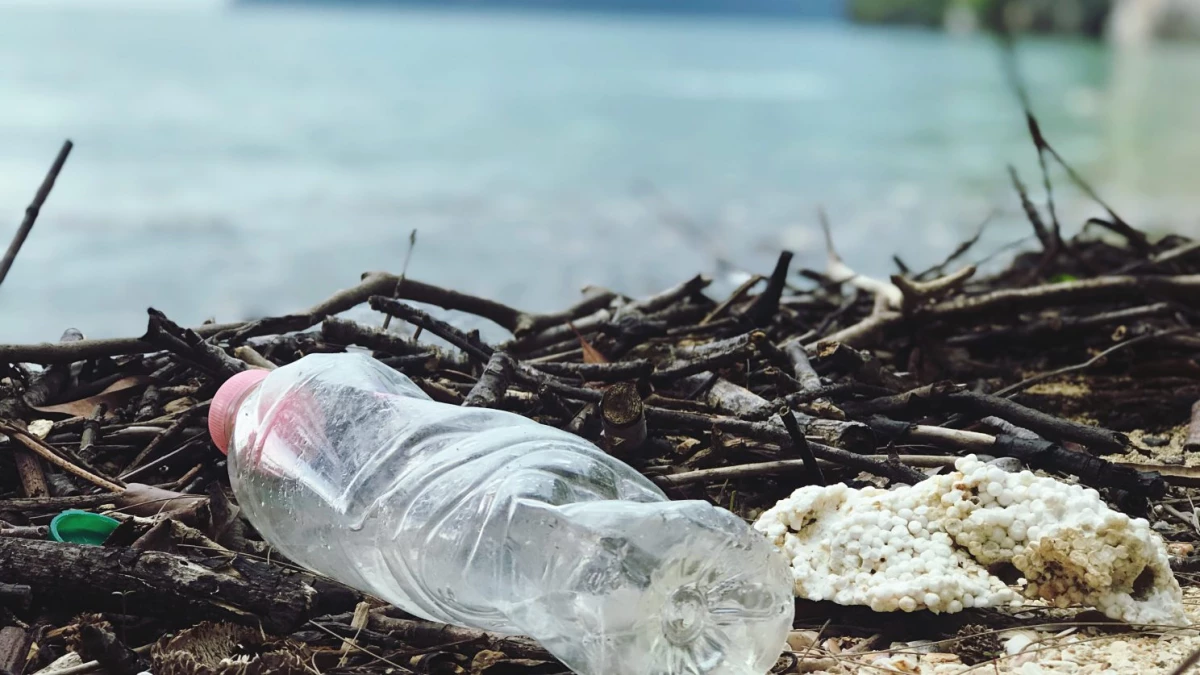
Recycling plays a crucial role in reducing pollution by minimizing the need to extract raw materials and limiting greenhouse gas emissions. Without recycling, pollution levels could rise significantly due to the intensification of extraction activities and unsustainable manufacturing processes. Waterways, oceans, and the air we breathe could become more polluted, affecting human health and the health of aquatic and terrestrial ecosystems.

Loss of economic opportunities:

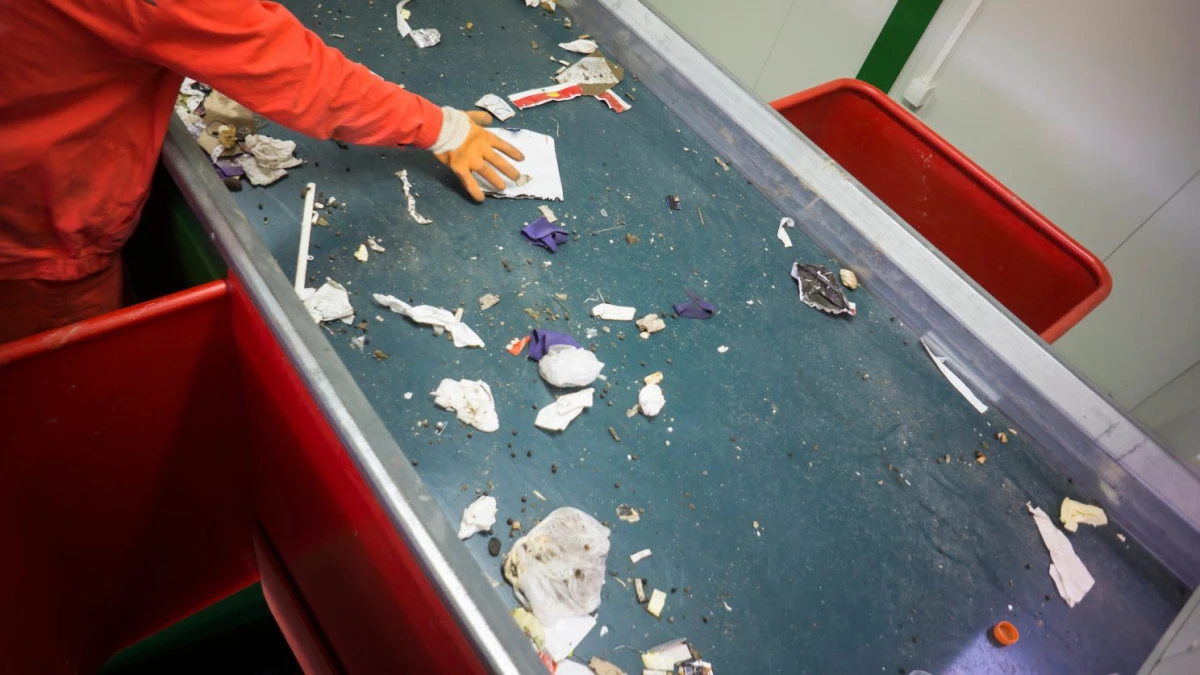
Recycling contributes to job creation and supports industries involved in the collection, processing, and transformation of recycled materials. Without recycling, these economic opportunities would be jeopardized, potentially impacting employment and economic growth in related sectors. Communities dependent on these industries could be severely affected, with long-term negative social and economic consequences.

In conclusion, recycling is not merely an environmental practice, but a fundamental pillar of how we live sustainably on this planet. The challenges posed by abandoning recycling are numerous and complex, requiring collective action and innovative solutions to protect our environment, support our economy, and ensure a viable future for generations to come.