


Environmental performance has become a strategic issue for businesses. Reducing waste, controlling resource use, meeting regulatory requirements and improving continuously: organisations are increasingly expected to structure their practices and show the results of their commitments, notably as part of their CSR approach.
In this context, ISO 14001 is one of the main international references for environmental management. It gives companies a framework to identify their environmental impacts, set objectives and put measurable actions in place.
In Algeria, this approach also makes sense in light of the waste management regulations, notably Law No. 01-19 of 12 December 2001.
For companies that want to organise waste sorting, collection and recovery of recyclables, Nrecycli Office offers operational solutions that can help implement and track some aspects of their environmental approach.
- What is ISO 14001 and what does the 2026 edition bring?
- What does an environmental management system require?
- Where does waste management fit in?
- Which documents and indicators should you track?
What is ISO 14001?
ISO 14001 is an international standard developed by the International Organization for Standardization (ISO). It sets out the requirements for an environmental management system, commonly called an EMS.
This system lets an organisation manage the environmental impacts of its activities, products and services in a structured way.
The goal is not just to cut waste now and then or run a few green initiatives. It is about building environmental issues into the company's day-to-day operations, decisions and processes.
An ISO 14001-compliant environmental management system helps in particular to:
Identify environmental aspects
Map how the company's activities interact with the environment (see the method).
Assess the related impacts
Rank impacts to decide on priority actions.
Set a policy and objectives
Consistent, measurable environmental objectives.
Put controls in place
Clearly defined procedures, equipment and responsibilities.
Measure and improve
Track results and continuously improve performance.
The standard applies to organisations of all sizes and sectors, public or private.
ISO 14001 does not prescribe the same environmental performance for every company. It sets a management framework that lets each organisation control its own impacts and progress according to its context and goals.
ISO 14001:2026: what you need to know about the new edition
The fourth edition of the standard, ISO 14001:2026, was published on 15 April 2026. It replaces ISO 14001:2015 and its 2024 amendment.
The new edition keeps the overall framework of the environmental management system while adding clarifications and better coverage of current environmental issues. It aims in particular to better integrate environmental considerations into governance, activities and value chains.

Key topics linked to this update:
- Protecting the environment and preventing pollution
- Taking climate change into account
- Biodiversity and ecosystems
- Efficient use of resources, at the heart of the circular economy
- Improving environmental performance
- Integrating environmental issues into the organisation's activities
2015
Edition replaced
ISO 14001:2015 and its 2024 amendment.
15/04/2026
Publication
Fourth edition of the standard.
30/04/2029
Transition ends
Per the timetable published by Global ACI.
Companies already certified to ISO 14001:2015 must prepare their transition to the new edition. According to the timetable published by Global Accreditation Cooperation Incorporated (Global ACI), the transition period ends on 30 April 2029. Companies should nonetheless confirm the applicable arrangements and timetable with their certification body.
The main requirements of an environmental management system
Setting up an EMS is not about piling up documents or carrying out one-off actions. It relies on a coherent organisation with responsibilities, objectives, controls and regular follow-up.
- 1
Identify environmental aspects and impacts
Understand how the company's activities interact with the environment, then assess the significance of the impacts to identify significant environmental aspects. For example, an office-based company may identify paper, cardboard, plastic bottles and cans as aspects that need specific organisation.
- Use of electricity, water and raw materials
- Production of industrial waste and office waste
- Air emissions and discharges
- Transport and logistics
- Use of chemicals
- Risk of accidental pollution
- End of life of products and equipment
- 2
Identify regulatory obligations
In Algeria, waste management is governed notably by Law No. 01-19 on the management, control and disposal of waste, as amended by Law No. 25-02. Companies must identify the provisions that actually apply to their activities, waste categories and specific obligations. A collection service does not replace this regulatory analysis, but it can help organise part of the operations related to recyclables.
Understand Law 01-19 - 3
Set measurable environmental objectives
Objectives consistent with the environmental policy, tracked with suitable indicators. For example: an annual target to increase the amount of paper and cardboard collected separately, reviewed at regular intervals.
- Reduce paper consumption
- Improve the sorting rate of recyclables
- Reduce waste sent for disposal
- Increase materials sent for recycling
- Train a set number of employees
- Improve performance tracking
- 4
Put operational procedures in place
For waste: define sorting instructions, the equipment needed, temporary storage areas, team responsibilities and collection arrangements. Employees must know the procedures and have the means to follow them.
- 5
Measure, check and improve results
Indicators, tracking documents, internal checks and audits show whether actions deliver the expected results. Gaps lead to corrective action and, where needed, revised objectives or procedures: this continuous improvement loop is a cornerstone of the standard.
Measure with EcoTracker
Waste traceability is also a direction of Algerian law: Law No. 25-02 provides for an information system on waste management.
Waste management: a concrete part of the ISO 14001 approach
Waste management is a particularly visible environmental aspect in many organisations.
Offices, administrative areas, shops and industrial sites can generate several types of waste every day: paper, cardboard, plastic bottles, packaging and aluminium cans.
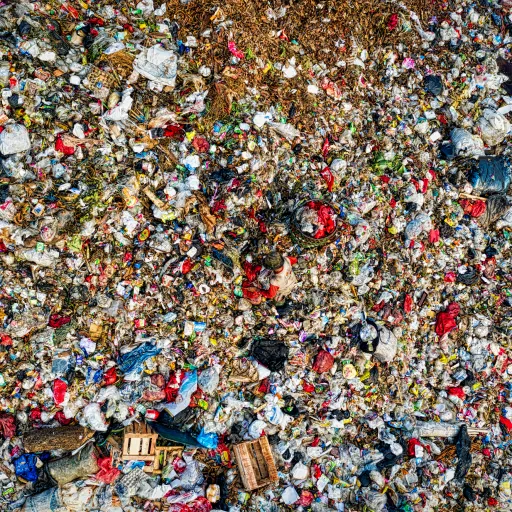
Without an organised setup, these materials get mixed with non-recyclable waste, making them harder to recover and destroying their value as secondary raw materials.
A structured waste management approach therefore includes several steps.
Sorting at source
Separating materials where they are produced limits mixing and makes recovery easier. It is also a legal requirement.
Organised collection
Pickups planned according to volumes and site needs (choosing the right provider).
Traceability
Tracking quantities collected and material categories to get usable data.
Assessing results
Comparing the data with the objectives and spotting room for improvement.
This turns waste management into a documented operational process rather than a series of one-off actions.
How Nrecycli Office supports your ISO 14001 approach
Nrecycli Office helps companies organise the management of their recyclable waste through sorting equipment, collection services, employee awareness and digital tracking tools.
Our work covers a precise operational scope: making sorting at source easier, organising the collection of recyclables and improving visibility on the quantities recovered.
The right equipment to structure sorting
Solutions for offices, shared spaces and professional facilities, chosen according to the layout, volumes and materials to collect. They separate:
- Office paper
- Clean cardboard
- PET and HDPE plastic bottles
- Non-ferrous metals
Quick training to engage employees
A sorting setup succeeds or fails on user behaviour. Installation comes with an awareness session: accepted materials, how to separate them and mistakes to avoid.
Our approach
Regular collection of recyclables
Installing sorting equipment is not enough: materials must be collected and sent to recovery channels. Nrecycli Office organises regular or one-off pickups, tailored to waste volumes, storage capacity and site layout, in the wilayas of Algiers and Blida.
The accepted materials are agreed upfront so collection matches treatment options. The company gets a single point of contact for the day-to-day management of its recyclables.
EcoTracker: centralise data and track quantities collected
A digital dashboard to view your collection data, quantities and breakdown by material. This information can help to:
- Track how quantities collected evolve
- See which materials dominate
- Compare results across periods
- Feed internal performance indicators
- Prepare reviews and CSR reports
Reports and certificates to document operations
Depending on the services agreed: summary reports, data on quantities collected and recycling certificates. They keep a record of the services delivered and can support internal tracking, environmental reporting or documents for stakeholders. It is up to the company to check they meet the requirements of its management system.
How Nrecycli Office helps
Equipment, awareness, collection and EcoTracker data: one partner for the "recyclables" part of your environmental management system.
Which documents and indicators should you track?
For consistent follow-up, companies can set up a range of waste-related documents and indicators.
| Tracking item | Purpose for the company |
|---|---|
| Waste map | Identify the categories of waste generated |
| Sorting instructions | Set the rules for employees (sorting guide) |
| Collection schedule | Organise operations and their frequency |
| Collection history | Keep a record of pickups carried out |
| Quantities by material | Track volumes of paper, cardboard, plastic and aluminium |
| Recyclables collection reports | Document the operations carried out |
| Recycling certificates | Evidence the recycling services delivered, depending on their content |
| Environmental indicators | Assess progress against objectives |
The company can then use this information to build indicators suited to its activities, for example:
- Amount of paper collected over a given period
- Amount of cardboard collected
- Amount of PET and HDPE plastic recovered
- Amount of aluminium collected
- Number of collection operations carried out
- Change in volumes collected quarter on quarter
For scale: a company with 200 employees can generate more than 5 tonnes of recyclable paper and cardboard a year (see the simulation).
ISO 14001 and Nrecycli Office: what scope of support?
ISO 14001 covers an organisation's entire environmental management system. It is not only about sorting or recycling waste.
Nrecycli Office works on one specific part of this approach: the operational management of recyclable materials.
| ISO 14001 area | Possible contribution from Nrecycli Office |
|---|---|
| Identifying recyclable waste | Identifying the materials we can handle |
| Organising sorting | Supplying and installing suitable equipment |
| Awareness | Presenting the sorting instructions |
| Operational management | Organising collections |
| Performance tracking | Collection data available on EcoTracker |
| Documented information | Reports and certificates depending on the services |
This lets the company rely on an operational setup to improve its waste management and document part of its environmental actions.
An essential clarification: Nrecycli Office does not issue ISO 14001 certification, and its services alone do not guarantee compliance with the standard. Compliance requires a comprehensive approach led by the organisation, covering all its environmental aspects and applicable obligations. Certification, when sought, is issued by a competent independent body.
Why build waste management into your environmental strategy?
Beyond the requirements of the standard, structuring waste management brings several benefits (see also why recycle in business).
Better internal organisation
Suitable equipment and clear instructions organise sorting areas and team responsibilities.
Better visibility on waste produced
Tracking quantities by material shows what is recovered and where to improve.
A documented environmental approach
Collection histories, reports and certificates keep a record of the operations carried out.
Engaged employees
Awareness makes sorting part of everyday work habits.
Better use of resources
Sorting and separate collection send recyclables to the right channels, supporting the circular economy.

A successful environmental approach is a shared one. When everyone knows the instructions and sees the results, sorting becomes a habit, not a chore.
Organising a seminar, trade show or corporate event? Extend the approach with Nrecycli Event.
FAQ: ISO 14001 and waste management
What changes with ISO 14001:2026?
Published on 15 April 2026, the fourth edition keeps the overall EMS framework and adds clarifications: better coverage of climate, biodiversity and resource use, and integration of environmental issues into governance and value chains.
How long do ISO 14001:2015-certified companies have to transition?
According to the timetable published by Global ACI, the transition period ends on 30 April 2029. Check the applicable arrangements with your certification body.
Does Nrecycli Office issue ISO 14001 certification?
No. Certification is issued by a competent independent body. Nrecycli Office handles the operational management of recyclables: sorting, collection, awareness and quantity tracking with EcoTracker.
How does ISO 14001 relate to Law 01-19 in Algeria?
ISO 14001 requires you to identify the legal obligations that apply. For waste, Law No. 01-19, as amended by Law No. 25-02, sets out principles of sorting, recovery and traceability.
Which waste indicators should an EMS track?
Quantities collected by material (paper, cardboard, PET, HDPE, aluminium), the number of collections and how volumes change over time. See the list of documents and indicators.
Where does Nrecycli Office operate?
Collection of recyclables, installation and training are provided in the wilayas of Algiers and Blida. Sorting equipment is delivered to every wilaya in Algeria: order online.
Make waste management a real lever for environmental performance
Setting up an environmental management system takes a global vision, rigorous organisation and regular tracking of results.
Waste management is a concrete starting point for visible improvements within the company.
With Nrecycli Office, you can structure your sorting setup, organise the collection of your recyclables and track quantities collected with EcoTracker.
Preparing for ISO 14001 or looking to improve waste management at your company?
Our team can review your premises, the materials you generate and your collection needs to propose a tailored solution. Contact Nrecycli Office to arrange an assessment, or get an online quote.