


Businesses in every sector generate huge amounts of waste each year, from paper documents to plastic waste. That makes recycling at work crucial.
- Why recycle at work?
- Which waste should be sorted and recovered?
- How do you organise waste sorting in the office?
Recycling business waste: an environmental imperative
Business recycling means sorting waste and having it collected so it can be turned into usable raw materials. It is essential for reducing waste and improving companies' environmental performance.
Properly sorted waste is no longer waste: it is raw material for the recycling industry.
The strategic benefits of recycling at work
Recycling is not just about reducing waste: it is also a way to recover resources and cut the company's carbon footprint. It is an effective way to commit to sustainable development and the circular economy.
Shrink your footprint
Less waste to landfill, fewer virgin materials consumed and a smaller carbon footprint.
Feed the circular economy
Your waste becomes a resource that goes back into production.
Recycling in AlgeriaStrengthen your CSR
A visible commitment for your employees, customers and partners.
CSR and sustainability
How Nrecycli Office helps
With Nrecycli Office you get all these benefits with no extra workload for your teams: we install, collect and measure, you showcase the results.
Identify and recover the right waste
Effective waste sorting at work starts with clearly identifying the materials to recycle. Each type must be sorted, collected and processed properly to produce quality raw materials.
Under the law, most office waste counts as household and similar waste; hazardous special waste follows a separate channel. And for what cannot be recycled, see our non-recyclable waste guide.
PET plastic bottles
Water and drink bottles, the most developed recycling stream (plastic in Algeria).
Sorting guide: PETManaging office waste the right way
Office waste management involves a few essential steps. Awareness is key to effective sorting and better waste management.
- 1
Assess your waste volume
Identify the materials produced, their quantities (worked example) and where they are generated on your premises.
- 2
Install suitable sorting bins
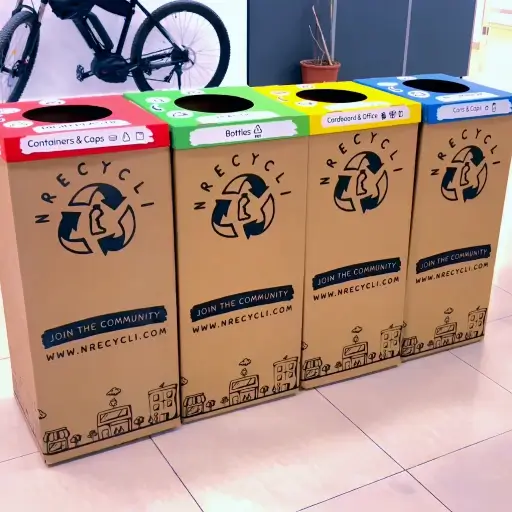
Single-, dual- or triple-stream sorting stations placed in the right spots.
See our equipment - 3
Raise employee awareness
Clear instructions and awareness sessions to build good habits.
- 4
Collect and track
Regular or on-demand collection and tracking of recycled quantities.
Discover EcoTracker
How Nrecycli Office helps
These four steps are exactly what our turnkey service covers. Ask for an assessment: we size the right setup for your headcount and premises.
Paper and cardboard recycling: simple actions, lasting effects
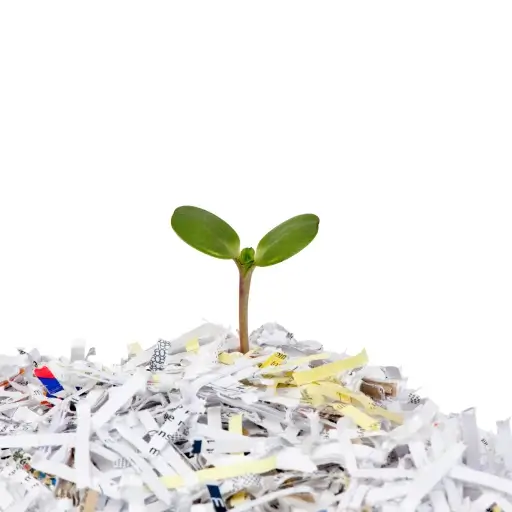
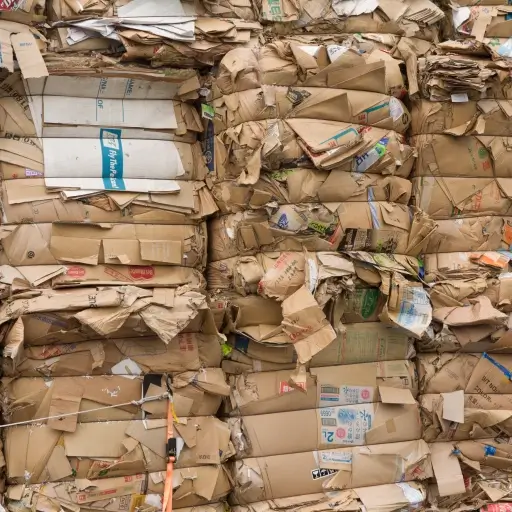
Paper and cardboard are among the most commonly recycled materials at work. By putting them in the dedicated yellow bins, companies can significantly reduce their environmental footprint.
Managing plastic: a major environmental challenge
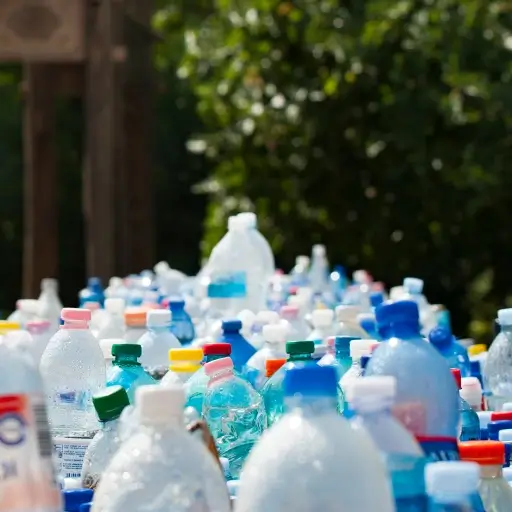
Plastic is a major waste management challenge for businesses. Using less of it and choosing sustainable alternatives are important first steps.
Recycling plastic at work is essential to limit its environmental impact and support a circular economy.
In Algeria, the plastic recovery rate is estimated at around 15%: every bottle properly sorted at work counts.
Take action
Identify your waste, get equipped, train your teams and track your results: these are the essential steps of responsible waste management for any organisation ready to commit to a sustainable approach. To get started, get your quote online.
Read next