


Managing recyclable waste is not just about separating it into dedicated bins. For a material to re-enter a production cycle, it has to go through several complementary steps: sorting at source, collection, consolidation, transport, preparation and processing.
In companies, public bodies, shops and professional premises, plastic, paper, cardboard and aluminium make up a large share of the materials that can be recovered and sent to recycling channels.
Their recycling, however, depends on one essential factor: how the whole logistics chain is organised. Poor sorting, unsuitable storage or badly organised transport can degrade the quality of recovered materials and make them harder to process.
In Algeria, Law No. 01-19 of 12 December 2001, amended and supplemented notably by Law No. 25-02 of 20 February 2025, places sorting, collection, transport and recovery within an integrated approach to waste management.
Understanding how this chain works helps companies organise their waste better and make a concrete contribution to the circular economy.
- Why is transport inseparable from recycling?
- How are plastic, paper, cardboard and aluminium recycled?
- What does Algerian law say about waste recovery?
- How does Nrecycli Office organise the collection and tracking of your recyclables?
Transport and recycling: two inseparable steps in waste recovery
Recycling relies on a series of operations that turn waste into new secondary raw materials.
Transport plays a decisive role in this process. It moves materials from where they are produced or collected to consolidation, sorting, preparation or processing centres.
A recovery chain can be organised around the following steps:
- 1
Sorting at source
Materials are separated as soon as they are produced, by type: plastic, paper, cardboard and aluminium. This first separation limits mixing and makes the following steps easier. It is also a legal requirement.
See the sorting guide - 2
Collection
Sorted waste is picked up from companies, shops, establishments or collection points (the role of a collection company).
- 3
Consolidation and transport
Collected materials are consolidated and shipped to the facilities or operators suited to process them (see the transport section).
- 4
Sorting and preparation
Materials may undergo further sorting, quality control, cleaning, shredding or compaction depending on their type and the requirements of the recycling channel.
- 5
Recycling and recovery
Prepared materials are turned into secondary resources that can be used to manufacture new products (see the comparison by material).
5
steps
From sorting at source to recovery.
4
material families
Plastic, paper, cardboard and aluminium.
1
continuous chain
Each link determines the quality of the next.
This organisation reduces losses of recoverable materials and makes the recycling chain more efficient.
Transporting recyclable waste: an essential link in the chain
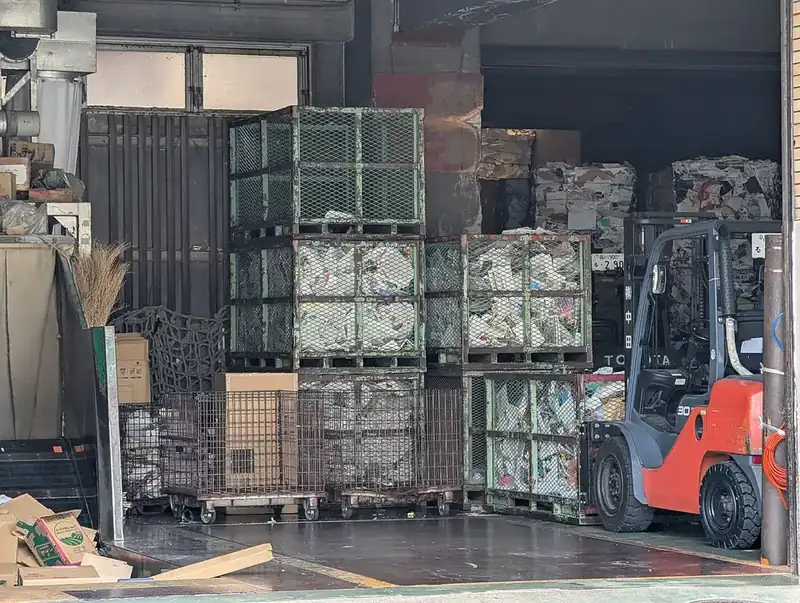
Transporting recyclable materials is a logistics operation in its own right. It is not simply about moving waste from one point to another, but about preserving its quality and making it easier for recovery operators to handle.
Why organise the transport of recyclables?
Recyclable waste is often produced across several sites, in different buildings or in business areas far from processing facilities. Without the right organisation, recovering it can mean multiple trips, extra logistics costs and storage problems.
Efficient transport makes it possible to:
- Consolidate materials from several collection points.
- Optimise rounds and trips.
- Limit mixing between material categories.
- Preserve the quality of waste while in transit.
- Match transport to the volumes and characteristics of the materials.
- Make reception easier for sorting centres and recycling operators.
Each material has its own characteristics, so collection, storage and transport conditions must be adapted. Good practices for transporting recyclable waste:
Keep materials separate
Plastic, paper, cardboard and aluminium should be identified and grouped separately. This makes them easier to receive and to route to the right channels.
Protect materials from contamination
Paper and cardboard in particular must be kept away from moisture. Plastic packaging should be emptied, and materials must not be mixed with incompatible waste.
Plan collections
Collection frequency should reflect the quantities produced, storage capacity and each site’s operational constraints (choosing the right provider).
Track operations
Recording collections and quantities per material supports traceability and provides useful data to assess results, for example with EcoTracker.
How Nrecycli Office helps
Nrecycli Office schedules collections around your volumes and storage space, and records each pickup by material: you know what leaves, when, and how much.
Recycling plastic: turning packaging into new resources
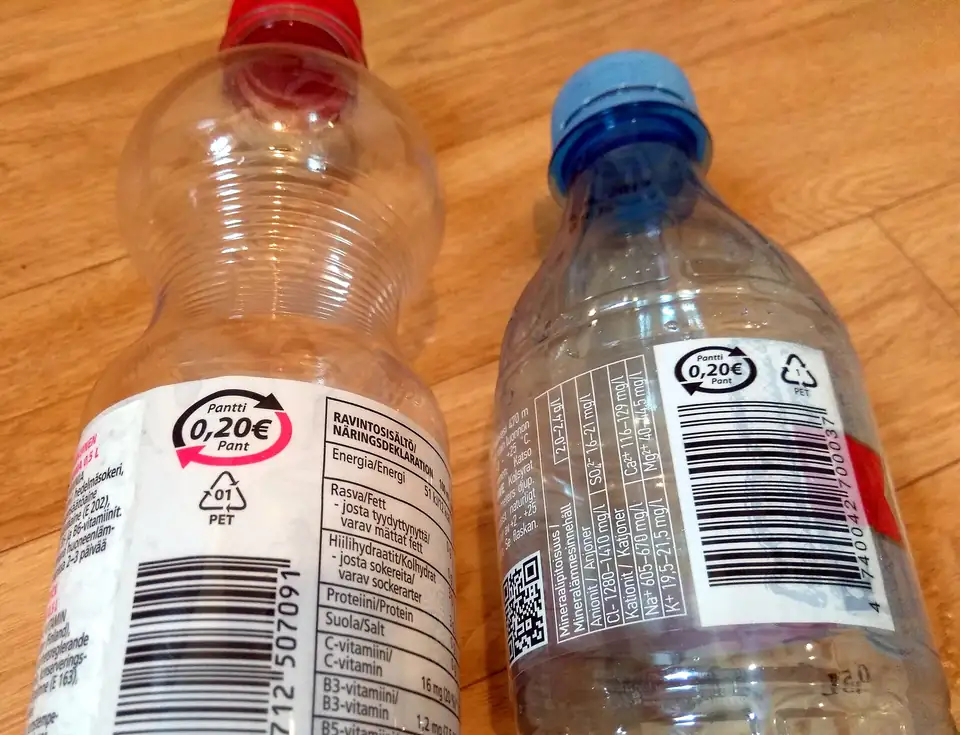
Plastic is found across many sectors: food, retail, distribution, industry and services. Bottles, flasks and some packaging can be recovered and sent to specialised channels, provided they are properly sorted and prepared. For the bigger picture, see the plastic challenge in Algeria.
Which plastics can be recycled?
Materials commonly accepted by recycling channels include:
- PET (polyethylene terephthalate): mainly used for drinks bottles and some packaging.
- HDPE (high-density polyethylene): used for flasks, jerrycans and some containers.
- PP (polypropylene): found in some packaging, caps and containers.
- Recyclability still depends on each product’s composition, design, condition and the processing options available.
The process varies with the resin and the waste, but generally includes several steps:
Collection and sorting
Plastics are separated by type and shape.
Inspection and preparation
Non-conforming items and contaminants are removed.
Shredding
Plastics are turned into flakes or fragments.
Washing
Impurities and residues are removed when the process requires it.
Processing
Prepared materials can be turned into pellets or other forms suited to industrial reuse.
Manufacturing
Recycled materials are incorporated into new products, depending on their technical properties.

Pellets are one of the forms in which prepared plastic can return to the processing industry.
Their quality depends directly on what happened upstream: a mixed or soiled stream at the office ends up in the final material.
The quality of recovered plastic depends heavily on initial separation and on how well each preparation step is controlled. See the guidelines for bottles and rigid plastics.
Recycling paper: preserving fibres and reducing waste
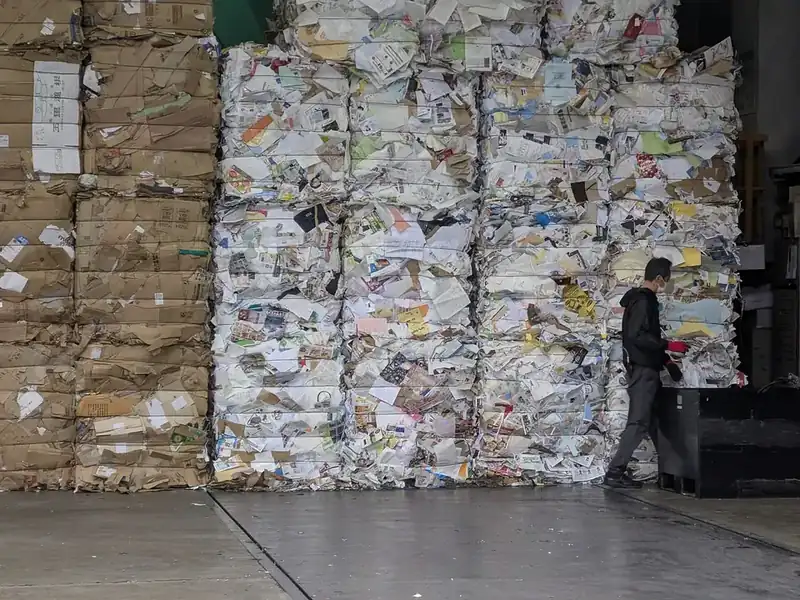
Paper is used widely in companies: printing, administrative documents, mail, publications and marketing materials (why sort paper at the office).
It is a recoverable material when it is properly separated from other waste and kept in good condition.
Which types of paper can be recovered?
Office paper, printing sheets, newspapers and some other paper grades can be sent to recycling channels.
Each operator’s guidelines must still be followed. Soiled, greasy or sanitary paper, or paper with certain finishes, may be rejected depending on the processes available (paper guidelines).
The main steps in paper recycling:
Collection and sorting
Paper is grouped separately and unwanted items are removed.
Pulping
Paper is mixed with water in a suitable installation to form a pulp of fibres.
Screening
Impurities and unwanted items are separated out.
De-inking, if needed
Some processes remove part of the inks and contaminants.
Forming new sheets
The pulp is formed, pressed and dried to produce recycled paper.
Paper recycling puts recovered fibres back into the production of new paper products. Fibre quality and characteristics determine the reuse options.
Recycling cardboard: recovering packaging and business cardboard
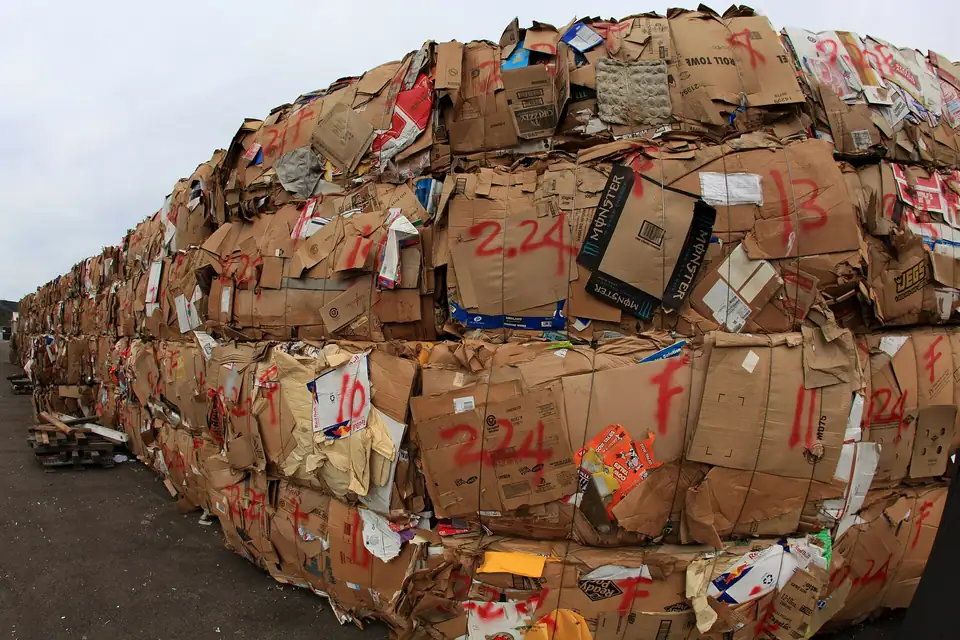
Cardboard is a major category of waste generated by commercial, logistics and administrative activities.
Deliveries, storage, packing and distribution regularly produce cardboard that can be recovered and recycled.
Why does sorting cardboard matter?
Clean, dry cardboard can go back into papermaking processes.
Wet, heavily soiled cardboard, or cardboard mixed with other materials, can lose some of its quality and become harder to recover (cardboard guidelines).
- 1
Collection
Cardboard is collected separately.
- 2
Preparation
Non-recyclable items and contaminants are removed.
- 3
Compaction
Cardboard can be baled to reduce its volume and make transport easier.
- 4
Pulping
Fibres are separated by suspending them in water.
- 5
Screening
Impurities are removed.
- 6
Manufacturing
Recovered fibres are used to make new paper and cardboard.
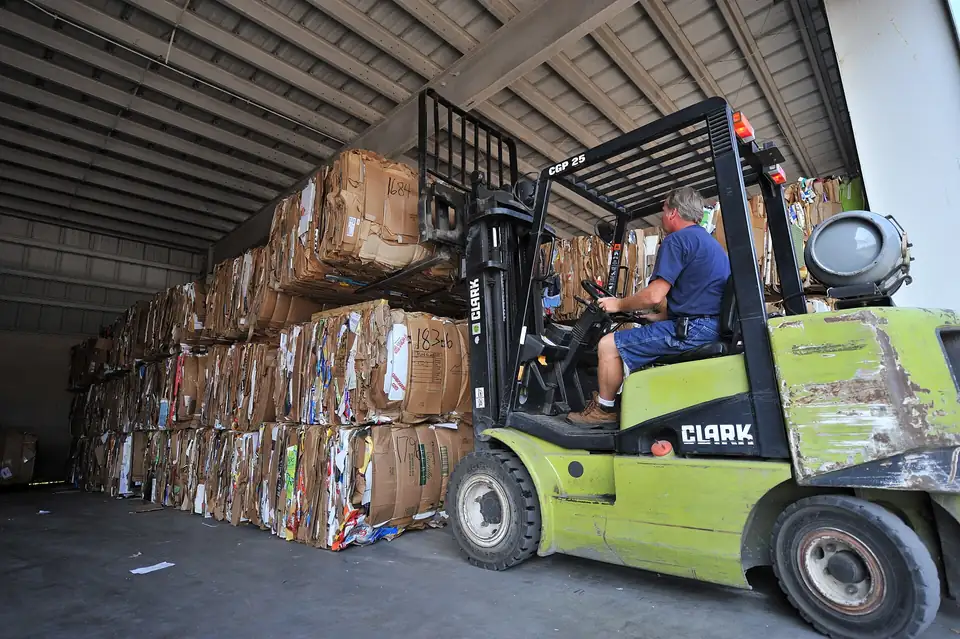
Compaction is a major logistics advantage: it reduces the space materials take up and lets vehicles be loaded more efficiently.
Recycling aluminium: a material with high recovery value
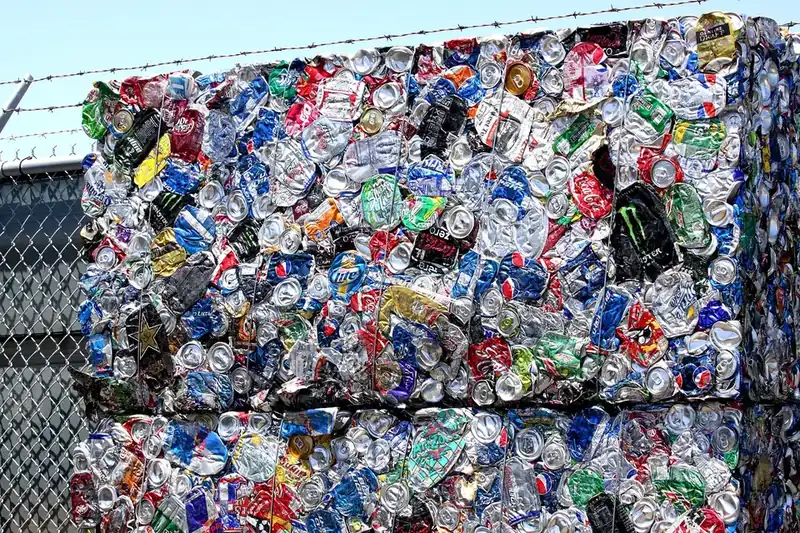
Aluminium is widely used in packaging, notably drinks cans, and in many industrial sectors.
Recycling it is particularly worthwhile because the metal can be remelted and reused in new applications, provided the quality requirements of industrial processes are met.
Which aluminium items can be recovered?
Recyclable waste collections typically include:
- Aluminium cans.
- Some aluminium packaging.
- Some aluminium parts and offcuts, depending on the channel’s acceptance criteria.
- Materials should be correctly identified and separated from other metals where necessary.
The main steps in aluminium recycling:
Collection and separation
Aluminium waste is collected and separated from other materials.
Preparation
Unwanted items are removed and the waste may be shredded or compacted.
Melting
Prepared aluminium is melted in specialised facilities.
Refining
The molten metal can be treated to achieve the required properties.
Casting and processing
Aluminium is cast into ingots or other forms used to manufacture new products.
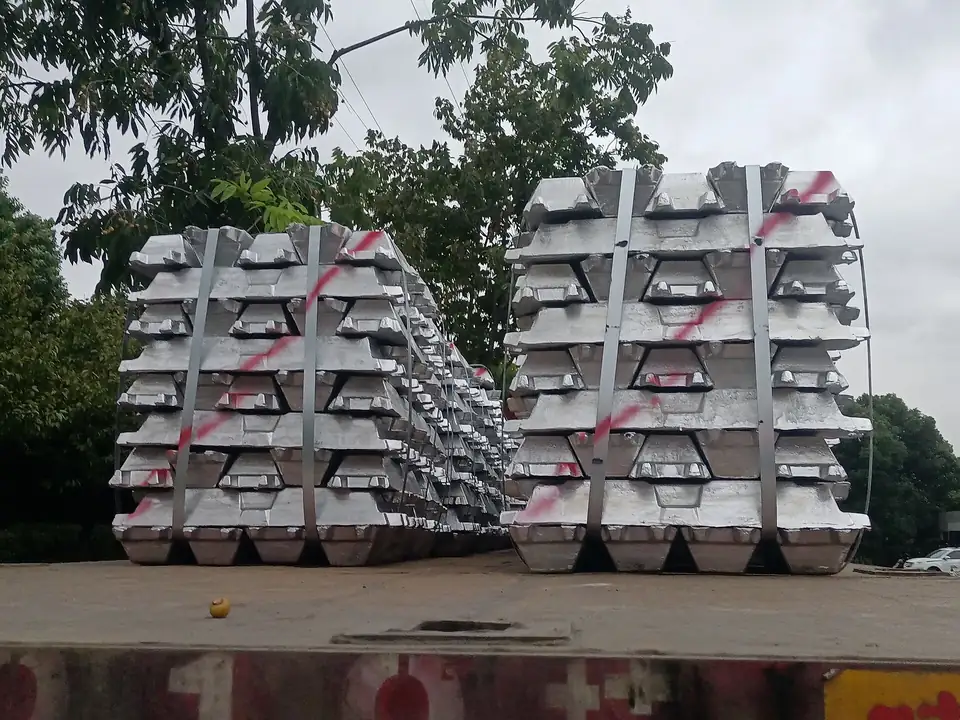
Once cast into ingots, aluminium also travels by road to the manufacturers who will process it: transport comes in at both ends of the chain.
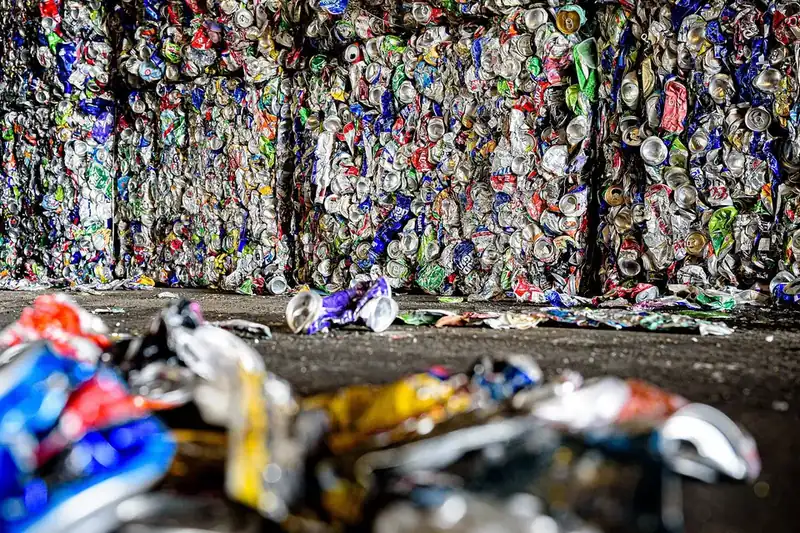
Aluminium recycling recovers a reusable metal and reduces the need to extract and process new resources.
Comparison table: transporting and recycling the four materials
| Material | Examples of waste | Preparation before transport | Main recycling steps |
|---|---|---|---|
| Plastic | PET bottles, HDPE flasks, some PP | Empty, separate by category, avoid contaminants | Sorting, shredding, washing, processing |
| Paper | Office paper, sheets, accepted newspapers | Keep clean and dry, remove non-accepted items | Pulping, screening, optional de-inking, manufacturing |
| Cardboard | Clean packaging cardboard | Flatten, keep dry, remove contaminants | Sorting, pulping, screening, manufacturing |
| Aluminium | Cans and accepted packaging | Empty, separate from other materials | Sorting, preparation, melting, refining |
Processes and acceptance criteria vary between facilities, equipment and recycling operators. The materials Nrecycli Office accepts are specified for each service.
The regulatory framework for waste transport and recycling in Algeria
In Algeria, waste management falls under a regulatory framework covering several operations: prevention, sorting, collection, transport, treatment and recovery.
Law No. 01-19 of 12 December 2001 is the reference text on the management, control and disposal of waste. It defines collection, sorting and waste management operations, and recognises recovery as a set of operations for reusing, recycling or turning waste into resources.
The law was amended and supplemented by Law No. 25-02 of 20 February 2025, published in the Official Journal No. 12 of 23 February 2025 (French). This update notably introduces:
A waste treatment hierarchy
Prioritising preparation for reuse, reuse, repair, recovery and, last, disposal.
The law also specifies that recycling covers every step from collection to turning waste into recycled raw materials, through to their use in manufacturing new products.
These provisions underline the importance of an organised chain in which sorting, transport and recovery work together.
Legal references: Law No. 01-19 of 12 December 2001; Law No. 25-02 of 20 February 2025, amending and supplementing Law No. 01-19. For the detail of business obligations, read our guide to Law 01-19.
How does Nrecycli Office help companies collect and transport their recyclable waste?
Setting up recycling at a company requires an organisation suited to the volumes produced, the space available and the site’s logistics constraints.
Nrecycli Office supports companies in the day-to-day management of their recyclable waste, from installing sorting equipment to collecting and tracking the materials handled.
Sorting equipment designed for businesses
Sorting solutions for offices, shared spaces and professional facilities. The equipment separates recyclables according to the site’s needs and accepted categories, making sorting at source easier and avoiding the mixing that complicates collection and recovery.
See the equipmentCollection organised around your needs
Regular or one-off collections, on terms agreed with each client. Frequency can be adjusted to the volumes generated, storage capacity and the layout of the premises. Materials handled:
Our collection services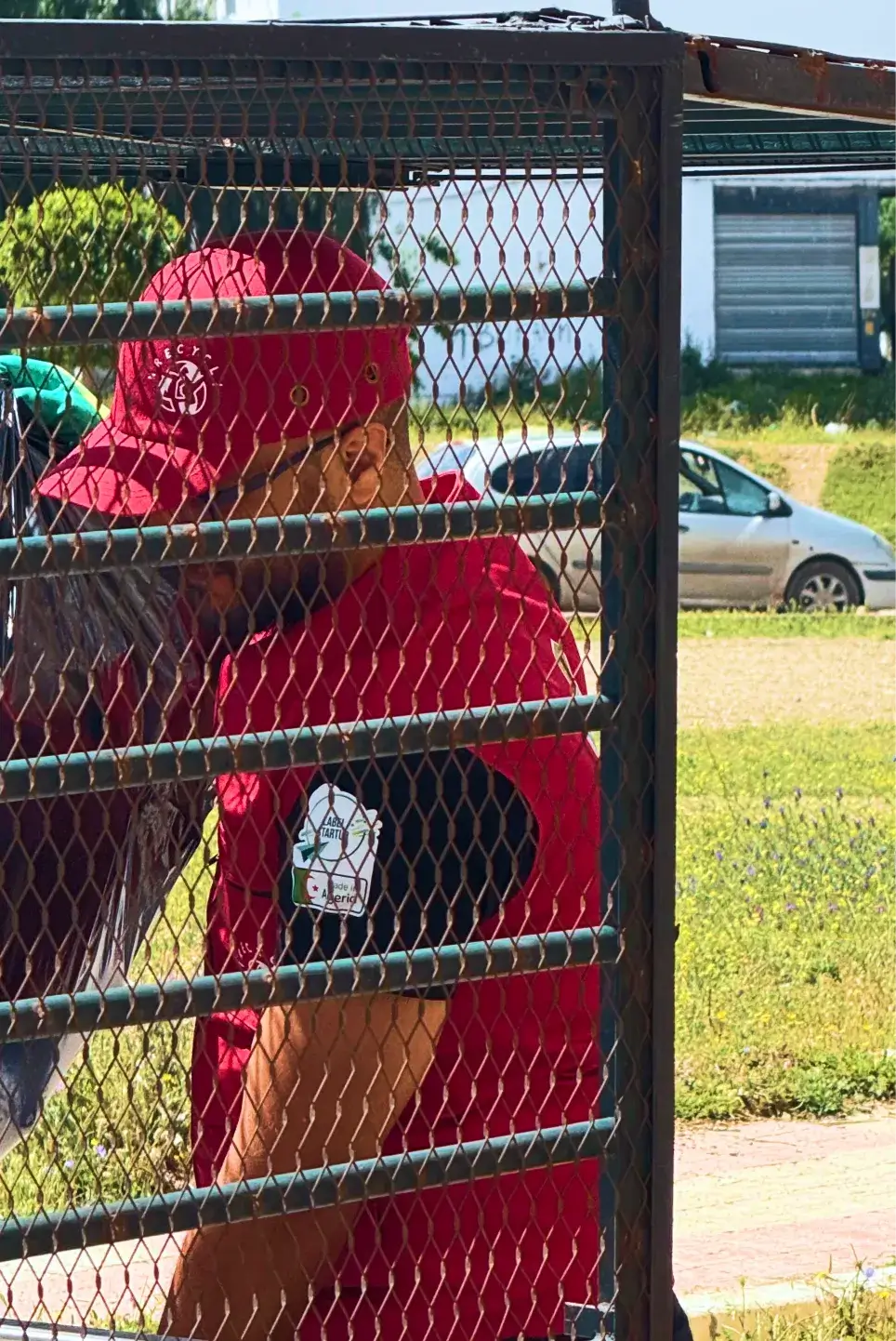
Transport organised to support recovery
After collection, materials are shipped as part of the handling and recovery chain.
Keeping materials separate and well prepared makes them easier to consolidate, handle and route to the right channels. This ensures better continuity between the sorting done on the company’s premises and downstream processing.
Preparation guidelines and accepted materials are specified according to the agreed service.
EcoTracker: digital tracking of collected quantities
A digital dashboard to track the quantities of recyclable waste collected. The data lets you:
- View collected quantities
- Track volumes by material type
- See how collections evolve
- Centralise information about operations
- Feed your environmental reviews and reports
Recycling reports and certificates
Depending on the agreed services, Nrecycli Office can provide summary reports and recycling certificates for the operations carried out. They keep a record of the quantities handled and document your recovery actions, for example within an ISO 14001 approach or a CSR programme.
How Nrecycli Office helps
Equipment, awareness, collection of recyclables and EcoTracker tracking: one partner for the whole chain, from sorting bin to recovery.
Why entrust your recyclable waste to a specialised provider?
For a company, handling the sorting, storage and transport of recyclable waste itself can be a significant operational burden.
A specialised provider helps structure this organisation and gives you a single contact for every stage of the service (how to choose one). The main benefits are:
Better logistics
Planned collections adapted to the site’s needs.
Time saved
A service organised around the company’s needs.
A contribution to the circular economy
Recyclables routed to recovery channels (see also the benefits of recycling at work).
The performance of a recycling scheme therefore depends on the quality of the organisation in place, from the point where waste is produced to its handover to specialised operators.
Frequently asked questions about waste transport and recycling
Why does transport matter in recycling?
It links the places where waste is produced to sorting, preparation and processing facilities. Well-organised transport consolidates materials, optimises rounds, limits mixing and preserves quality until delivery (see good practices).
Which plastics can be recycled?
Recycling channels notably accept PET (drinks bottles), HDPE (flasks, jerrycans) and PP (packaging, caps, containers). Recyclability still depends on each product’s composition, condition and the processing options available.
How should paper and cardboard be prepared before collection?
Keep them clean and dry, flatten boxes and remove non-accepted items. Soiled, greasy or sanitary paper may be rejected (paper and cardboard guidelines).
What does Algerian law say about waste recovery?
Law No. 01-19, amended by Law No. 25-02 of 20 February 2025, sets a waste treatment hierarchy, defines recovery and recycling, strengthens the circular economy and introduces extended producer responsibility.
Which materials does Nrecycli Office collect?
PET, HDPE and PP plastic, paper, cardboard and aluminium. Preparation guidelines and accepted materials are specified according to the agreed service.
How can I track collected quantities?
With EcoTracker, the Nrecycli Office dashboard: collected quantities, volumes per material and how collections evolve. Depending on the service, recycling reports and certificates can also be provided.
Where does Nrecycli Office operate?
Collection of recyclables, installation and awareness sessions are provided in the wilayas of Algiers and Blida. Sorting equipment is delivered to every wilaya in Algeria: order online.
Recycling starts with well-organised collection and transport
Plastic, paper, cardboard and aluminium should not be seen merely as waste to get rid of. When they are properly sorted, collected, transported and prepared, they can become reusable resources in new production cycles.
Transport is therefore an essential step: it connects the places where waste is produced to the facilities and operators that prepare and recover it.
For companies, the right organisation improves the daily handling of recyclables, makes collected quantities trackable and contributes to a more circular economy.
Want to organise the collection and transport of your company’s recyclable waste?
Nrecycli Office helps you set up solutions suited to your premises and needs: sorting equipment, awareness, collection of recyclables and digital tracking with EcoTracker.
Contact our team to review your needs and get a tailored proposal, or get an online quote.